The best time to influence your PDO thread lift results is not in the treatment chair, it is during the consultation. A thoughtful conversation with a skilled provider will clarify whether a PDO thread lift makes sense for your anatomy, your timing, and your goals. I have sat on both sides of that table, counseling patients who wanted a sharper jawline before a reunion or a subtle mid face lift without surgery. The successful outcomes shared one pattern, an honest, precise consultation where nothing was rushed and expectations were set with care.
Start with the big picture: what a PDO thread lift can and cannot do
A PDO thread lift is a minimally invasive cosmetic procedure that pdo thread lift places absorbable polydioxanone threads under the skin to reposition soft tissue and stimulate collagen. In the face, it can soften jowls, define the jawline, elevate the cheeks, and refine the lower face and mid face. In the neck, it may help early banding and mild sagging skin. It is not a replacement for a surgical facelift, especially for heavy tissue, advanced laxity, or significant platysmal banding. PDO thread lift benefits include immediate mechanical lift and progressive collagen stimulation that can improve skin quality for months. The trade off is longevity. Results typically last 6 to 18 months depending on thread type, technique, your tissue quality, and lifestyle.
Good candidates have mild to moderate laxity, reasonable skin thickness, and stable weight. If you are chasing a double chin that is mostly fat, a thread lift alone will disappoint you. In that case, under chin fat reduction or weight stabilization should come first. Think of threads as a contouring and skin tightening option for targeted lift, not a volume substitute for deflated cheeks or a cure for deep nasolabial folds. For many, the best outcomes come from combining a PDO thread lift for lifting face contours with carefully placed fillers for volume or neuromodulators for lines.
Map your goals before you book
Come prepared with what bothers you in precise terms. “My face looks tired” is a fair feeling, but it is not a treatment plan. Point to the heaviness along the marionette lines, the flattening of the cheeks, the softening along the jawline, or the banding in the neck. Bring a recent photo and one from five to ten years ago. That comparison helps your PDO thread lift provider see where descent or deflation has occurred.
Be clear about the event calendar. If you have a wedding in four days, threads are risky timing due to possible swelling or bruising. If you want to see peak PDO thread lift results for a photoshoot, schedule your PDO thread lift appointment 6 to 10 weeks in advance. Immediate lift shows on day one, collagen stimulation matures over weeks.
Credentials and experience: questions that protect your face
Experience with PDO thread lift treatment is not evenly distributed among aesthetic providers. The product choice, vector planning, and hand feel of the tissue during insertion all affect safety and longevity. Your aim is to determine whether the clinician is a PDO thread lift specialist or someone who does an occasional case.
Ask how often they perform the PDO thread lift procedure, and in which areas. A provider who places threads weekly in the face, jawline, and neck will be more fluent with variations in anatomy and technique than someone who places a few per quarter. Ask which thread types they prefer and why. Mono threads are smooth and primarily for collagen stimulation, ideal for crepey skin and fine lines. Cog threads have barbs for lifting and anchoring, often used in cheeks, jawline, and lower face. Screw or tornado threads add bulk and stimulation, helpful in select zones but not for true lifting. An expert will explain how they combine thread types based on your needs, for example, cog threads to lift early jowls and mono threads to improve fine lines around the mouth.
Clarify who will perform the PDO thread lift steps. In many clinics, the PDO thread lift doctor or surgeon performs the key passes while an assistant supports with numbing or photography. Ensure the person injecting or placing threads is the one you are assessing today. It is fair to ask for their training background, hands on mentorship, and complication management experience. If you hear vague claims without data, pivot.
Technique and planning: understand the approach
An effective PDO thread lift facial plan starts with vectors, exit points, and anchoring strategy. Ask your provider to outline the lifting vectors for your face. For example, a mid face plan might include a lateral vector to elevate the malar fat pad and a vertical vector to support the nasolabial fold indirectly. A lower face plan may set a posterior superior vector to contour the jawline. Proper vectoring respects where your tissue can move, not just where you want it to end up.
Probe on anchoring. Barbed threads can anchor in the deep tissue or the SMAS plane depending on technique and region. The goal is to distribute tension so that lift is maintained without dimpling. It is reasonable to ask how they minimize thread visibility and palpable ridges, especially if your skin is thin. An experienced PDO thread lift expert can demonstrate with a handheld mirror where insertion and exit points will be and how they camouflaged entry marks in similar patients.
If you are considering a PDO thread lift for under eye or brow lift, ask how they avoid the infraorbital vessels and nerves and how conservative they are near the orbital rim. For the neck, ask how they handle platysmal bands, since threads address skin laxity better than muscle banding.
Customization by area: face, jawline, cheeks, and neck
Not every part of the face behaves the same. Cheeks respond well to cog threads when there is mild descent. The lift here can restore the ogee curve and reduce the appearance of nasolabial folds without injecting filler into the fold itself. The jawline requires careful tensioning to avoid bunching in front of the ear. An excellent result has a clean mandibular line, subtle improvement of marionette lines, and no distortion around the mouth. The neck is nuanced. Threads can help with mild laxity and skin crêpiness, and mono threads can boost collagen, but heavier banding or significant double chin fat likely needs adjuncts such as neuromodulators, energy devices, or submental fat reduction before or after a PDO thread lift for double chin.
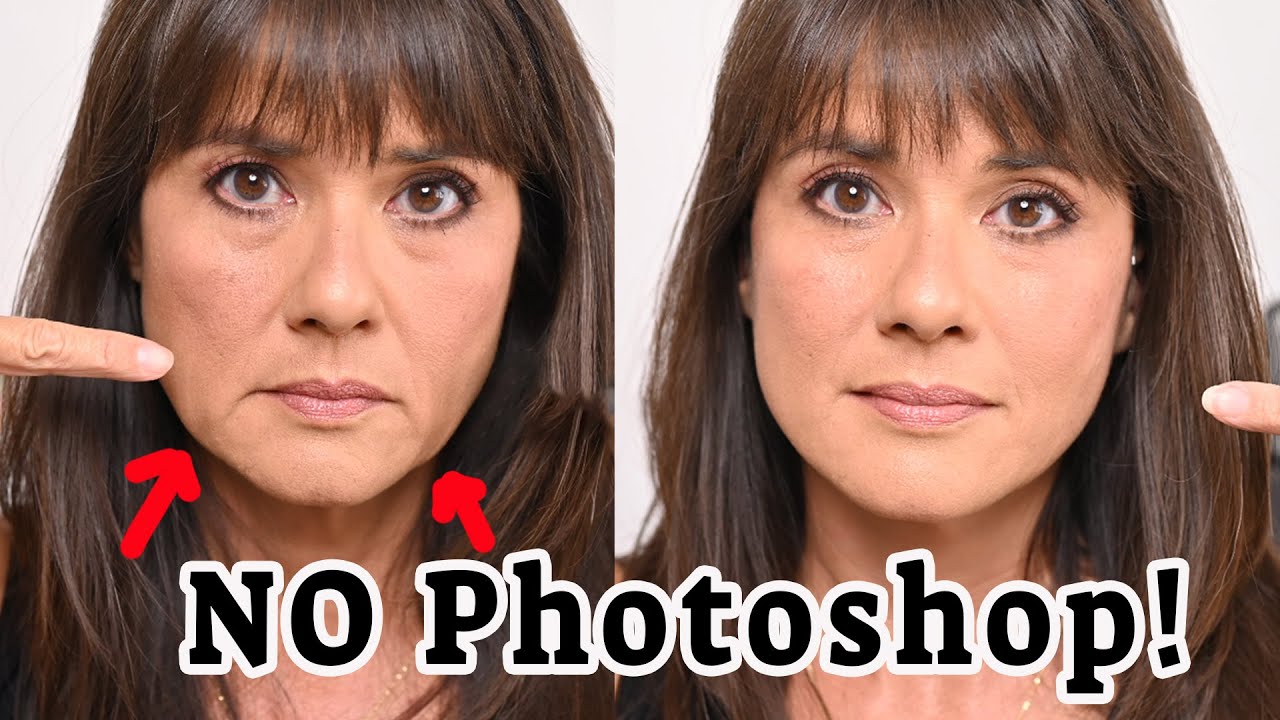
If you are exploring a PDO thread lift for forehead or brow lift, clarity on direction and depth is essential. Lifting the tail of the brow can brighten the eyes, but overcorrection can look surprised. A provider should show before and after photographs of similar brow shapes and skin types to set boundaries.
Safety profile: risks, side effects, and how they are handled
PDO thread lift safety is favorable compared to surgery, yet it is still a procedure that pierces the skin and travels through tissue planes. Typical side effects are swelling and bruising for a few days, tenderness along the vectors, and transient dimpling that often relaxes within 1 to 3 weeks as tissues settle. Occasional asymmetry may occur if swelling is uneven, and most mild cases resolve without intervention.
Less common but important risks include thread migration, visibility or palpability of knots in thin skin, prolonged puckering, infection, or nerve irritation. Vascular compromise is rarer than with fillers but possible if aggressive passes or scar tethering disturb small vessels. Ask your provider to walk you through their post procedure check process, how they manage dimpling that does not release, when they reposition or remove a thread, and their infection prevention protocol. If they regularly prescribe antibiotics to everyone, ask why. Overprescribing is not a substitute for clean technique and proper prep.
An honest provider will also ask about your medical history. Smoking, uncontrolled autoimmune disease, bleeding disorders, keloid scarring tendencies, or active acne cysts increase risk. If you have taken anticoagulants or supplements that thin blood, disclose it. Many clinics advise pausing blood thinning supplements like high dose fish oil, ginkgo, or high dose vitamin E for a week when safe and approved by your primary doctor. If you have recent dermal fillers along the planned vectors, timing matters, since threads can displace fresh filler.
Pain management, anesthesia, and session flow
Most PDO thread lift sessions take 30 to 60 minutes depending on areas treated and number of threads. Plan extra time for photographs, consent, and numbing. A mixed approach to comfort works best. Topical numbing for entry points, small lidocaine injections along the pathway, and sometimes nerve blocks around the zygomatic or mandibular areas minimize discomfort. Ask how they manage the sensation of pressure as threads engage the tissue. You should feel tugging, not sharp pain. If your pain threshold is low, your provider can discuss oral anxiolytics in advance, though that might require a driver.
The room setup says a lot about the clinic culture. Look for sterile packaging, proper lighting, and a clear sharps protocol. Ask whether they use ultrasound for vascular mapping. It is not standard for thread lifts as it is for fillers, but some PDO thread lift clinics adopt it for added safety in complex zones.
Cost transparency and how price relates to value
PDO thread lift cost varies by region, thread brand, and number of threads needed. In the United States, a focused lower face or jawline treatment might range from several hundred dollars to a few thousand. A full face and neck plan can climb higher, especially if combining cog threads for lifting and mono threads for skin rejuvenation. Ask whether the quoted PDO thread lift price includes the consultation, follow up visit, and a touch up if early asymmetry appears. Beware of per thread pricing without a cohesive plan. Cheaper is not cheaper if you pay less for too few threads and end up with a marginal result that fades quickly.
If you are shopping for PDO thread lift near me, favor clinics that publish price ranges and are comfortable explaining why your case sits at a given point in that range. The provider’s experience, the quality of the threads, and their complication track record all belong in your value equation. It is reasonable to ask: if results are suboptimal, what is the pathway and cost for refinement?
Before and after: how to evaluate evidence
Marketing photos can mislead. Insist on seeing PDO thread lift before and after photographs of patients with your skin thickness, age bracket, and area of concern. Look for consistency in lighting, head positioning, and makeup. Examine the jawline in profile, the nasolabial and marionette areas on three quarter view, and the cheek contour head on. True lift should reveal a crisper mandibular angle, a smoother transition along the jowl, and an elevated malar highlight without distortion near the mouth.
Ask for a mix of immediate post procedure and 2 to 3 month results. Immediate photos flatter the procedure because swelling can mimic volume. Longitudinal photographs speak to PDO thread lift longevity and the effect of collagen stimulation. When a provider is comfortable showing outcomes across time, you are seeing not just peak results but maintenance reality.
How long results last and what affects longevity
The common question is PDO thread lift how long does it last. The honest answer is a range layered with nuance. The absorbable PDO material typically dissolves over 4 to 8 months. The mechanical lift declines as the threads hydrolyze, yet collagen stimulation lingers. Many patients enjoy improvements for 9 to 18 months, with lighter patients on the lower end and those with favorable tissue and excellent aftercare on the higher end.
Thread type matters. Cog threads, properly anchored, confer more lift for longer than mono threads, which focus on skin quality. Technique matters even more. If vectors overcorrect or carry excessive tension, early dimpling and shorter durability follow. Lifestyle plays a role. Rapid weight loss, intense facial massage, or dental procedures that widely stretch the mouth can disrupt early healing. Heavy exercise that strains the neck and jaw in the first couple of weeks may soften the lift prematurely. Clear, written aftercare instructions protect your investment.
What the appointment feels like, from arrival to walk out
On the day of your PDO thread lift consultation and treatment, expect a photo series under standard lighting and angles. The provider will clean and mark vectors, confirm symmetry with a mirror, and review consent. Numbing begins, and within ten to twenty minutes, the placement starts. You will feel pressure as the cannula moves under the skin. A subtle crackle or tug sensation is common as barbs engage the tissue. Many find the jawline a bit more sensitive than the cheeks.
After placement, the provider may trim the thread ends and massage to set engagement, careful not to dislodge anchors. You will leave with entry point dots and mild swelling. Plan a quiet evening with your head elevated, acetaminophen for soreness, and a cool pack wrapped in cloth for comfort.
Aftercare and downtime: what to ask and what to expect
Downtime is usually modest. Most people return to work in 24 to 72 hours, assuming bruising is minimal. Ask for personalized PDO thread lift aftercare instructions. These typically include sleeping on your back for 3 to 5 nights, avoiding wide mouth movements such as big burgers or dental work for one to two weeks, pausing vigorous workouts and yoga inversions for at least a week, and keeping your hands off the treated areas. Heavy facial massage, sauna, or steam can wait a week. If you feel a pea sized knot or a tender ridge, your provider may advise gentle taping or a specific maneuver at a set time point. Do not improvise.
Bruising and swelling vary. If you bruise easily, plan your PDO thread lift recovery with a buffer before public events. Arnica or bromelain may help some, but evidence is mixed. Ice and elevation reliably reduce swelling. If you notice an area that looks blanched or severely painful, contact the clinic the same day. Timely attention is the hallmark of safe care.
Integrating threads with other treatments
The neatest results respect sequence. If you plan PDO thread lift vs fillers in the same region, threads generally come first to lift, followed by fillers to replace remaining volume gaps later. If you add neuromodulators like Botox, they can be placed before or after, though treating masseter hypertrophy beforehand can slim the jaw and help the thread lift shine. Energy devices for skin tightening, such as radiofrequency microneedling, can pair well with PDO thread lift maintenance, but aggressive treatment over fresh threads is unwise. Ask your provider for a timeline that spaces treatments to preserve the lift and maximize collagen stimulation.
Special scenarios: thin skin, heavy tissue, and asymmetry
Thin skin risks thread visibility and dimpling. The workaround is careful plane selection, conservative tension, and sometimes favoring mono threads for collagen first, then reassessing lift later. Heavy tissue challenges lift. In such cases, weight stabilization, under chin fat reduction, or even acknowledging that a PDO thread lift alternative to facelift will only give a modest improvement is the ethical path.
Natural facial asymmetry is normal. Threads can improve balance, yet exact symmetry is not guaranteed. Your provider should identify baseline asymmetries on your photos, perhaps a fuller left cheek or a lower right commissure, and explain what degree of correction is realistic. If you have dental occlusion issues or a habit of sleeping on one side, mention it, since those factors influence long term symmetry.
The right questions to bring to your PDO thread lift consultation
Use this as a concise checklist you can keep in your notes.
- How often do you perform PDO thread lifts, and which areas are your focus? Which thread types will you use for my case, and why those vectors? What results do you expect for me specifically, and how long might they last? What are the most common side effects in your practice, and how do you handle complications? What is included in the PDO thread lift price, and what happens if I need a touch up?
Red flags and green flags when choosing a provider
A few patterns consistently predict a smooth journey. Green flags include a provider who declines to treat when your goals exceed what a PDO thread lift can deliver, a gallery of consistent, unretouched PDO thread lift reviews and photographs, and a consultation that lasts long enough to map a plan rather than wing it. Red flags include promises of facelift level results, a one size fits all number of threads, rushed consent, and dismissive answers about risks.
Timing your follow up and maintenance
A follow up visit within one to two weeks lets your provider assess settling, address small puckers, and document progress photos. Additional follow up at two to three months is valuable to evaluate collagen effects and plan any adjuncts like fillers for fine lines or a light touch to the nasolabial folds. For PDO thread lift maintenance, many patients refresh lifting threads at 12 to 18 months, and sprinkle mono threads every 6 to 12 months in areas of fine crepiness.
If you ask yourself PDO thread lift vs facelift, frame it around your life stage, tolerance for downtime, and desired magnitude of change. Threads shine for modest lifting and skin quality gains with minimal downtime. Surgery shines for heavier laxity and longer longevity. It is not either or forever. Some patients ride threads through their forties and early fifties, then choose surgery later. Others prefer a surgical reset once and maintain with skin treatments.
Preparing your skin and schedule before the procedure
Good preparation pays dividends. Keep your skin calm for a week prior, avoid new active ingredients or harsh exfoliants. Confirm medication adjustments with your primary doctor if you take blood thinners. Hydrate, nourish, and arrive without makeup. Plan a light schedule for two to three days. If you color your hair, consider doing it before rather than soon after, since salon bowls and vigorous scalp massage can tug on fresh threads behind the hairline. If a dental cleaning looms, reschedule it for several weeks after the lift to avoid prolonged mouth opening during the early healing phase.
A realistic look at expectations
This is where provider candor and patient clarity intersect. A PDO thread lift for full face refinement can make you look fresher, crisper at the jawline, and less weighed down along the marionette zone. It will not erase every wrinkle, nor will it freeze motion like Botox. Deep etched lines often need resurfacing or targeted neuromodulation. Volume loss in the temple or cheek hollow calls for fillers or biostimulators. The best PDO thread lift effectiveness comes from placing it within a holistic plan, not as a silver bullet.
Also prepare for the odd day two moment when swelling subsides unevenly and you question the mirror. Healing is not linear. Your provider should be available for reassurance or timely tweaks. If an area looks over tightened, early interventions like gentle massage at the right time, or strategic needle release, can help. If a thread end becomes visible, a quick trim solves it. The key is access to your team and a shared plan.
Finding the right clinic without chasing hype
When you search PDO thread lift near me, affordable pdo thread lift near Ann Arbor you will wade through glossy ads and voucher deals. Resist the urge to book on price or speed. Call and ask whether the clinic schedules a true PDO thread lift consultation first. Ask who will treat you, and whether they invite you to bring old photographs. A clinic that emphasizes education, preparation, and structured follow up tends to deliver steadier outcomes. Look beyond star ratings and read PDO thread lift reviews that mention specifics, like comfort during anesthesia, how bruising was handled, and whether the six month result held.
Final thoughts from the treatment room
I have seen a PDO thread lift for sagging skin lift a mid face just enough to bring back someone’s pre pandemic confidence. I have also advised patients to wait or choose a different modality when the diagram on paper did not match what their tissue could bear. The quality of that decision making lives in the questions you ask and the answers you are given.
Use your consultation to learn how your provider thinks, how they plan, and how they care for you after you leave the chair. Push for specifics, timelines, and contingencies. If you walk out understanding your vectors, your aftercare, your expected PDO thread lift downtime, your costs, and your maintenance path, you are set up for a smoother experience and results that look like you on a very good day.